
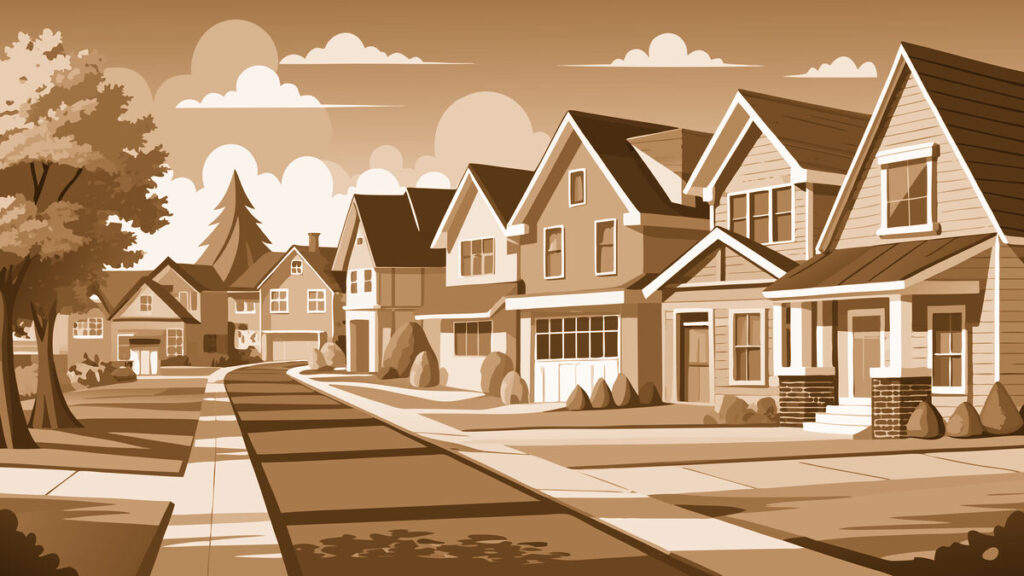
Nestled in the heart of Thornton, Colorado, Parkridge Villages is more than just a collection of homes—it's a testament to the community spirit, thoughtful planning, and evolving heritage that define the city itself. Whether you’re driving along E 128th Avenue, walking your dog in Woodglen-Brookshire Park, or chatting with neighbors near Summit Grove Parkway, you’ll find echoes of the neighborhood’s rich past woven into everyday life. Let’s journey through the origins, milestones, and unique features of Parkridge Villages—a place many are proud to call home.
The Origins of Parkridge Villages
Prior to development, the landscape where Parkridge Villages now stands was quintessential northern Colorado prairie—open land dotted with sagebrush, tall grasses, and the occasional cottonwood tree. As Thornton grew rapidly toward the close of the 20th century, developers and city planners recognized the need for new housing that blended modern convenience with the serenity of suburban living.
Construction in Parkridge Villages began in the late 1980s and continued through the mid-1990s. Much of the neighborhood’s architecture is reflective of that era, with open floor plans, spacious lots, and family-friendly streets. The developers were intentional about including walking trails, green spaces, and easy access to shopping and schools—a forward-thinking move that helped foster a close-knit community from the start.
What’s in a Name? The Story Behind Parkridge Villages
The name “Parkridge Villages” was chosen to signal both the neighborhood's rolling, park-adjacent landscape and its vision for a village-like community feel. “Parkridge” references the gentle ridges and proximity to several parks—including the beloved Woodglen-Brookshire Park, which borders the neighborhood and remains a focal point for recreation and gatherings.
The “Villages” plural speaks to the subdivision’s design—clusters of homes forming their own micro-communities, connected by winding streets like Jasmine Street, Clermont Street, and 128th Drive. Over the years, this sense of interconnectedness has fostered strong neighborhood bonds, where block parties and holiday light displays remain cherished traditions.
Key Historical Milestones
The steady development of Parkridge Villages mirrors the growth of Thornton itself:
- Late 1980s: Ground breaks on the first homes along E 128th Avenue, with ambitious plans for hundreds more.
- Early 1990s: Completion of key infrastructure, including main access roads and the establishment of Summit Grove Park—now a favorite spot for families and fitness enthusiasts.
- 1995: The neighborhood sees its first neighborhood association meeting, bringing together residents to shape community rules, organize events, and advocate for continued improvements.
- 2000s: Parkridge Villages matures, with local schools such as Woodglen Elementary and Century Middle School playing a pivotal role in neighborhood life.
- 2010s and Beyond: Continued investment in parks, walking trails, and upkeep of mature trees has kept the community green, accessible, and appealing to new generations.
Notable Landmarks and Buildings
A handful of local landmarks help define the character of Parkridge Villages:
- Woodglen-Brookshire Park: Stretching along the southwest edge of the neighborhood, this expansive park features lush fields, tennis courts, a playground, and scenic walking trails. Its shady trees and picnic areas make it a magnet for gatherings year-round.
- Village Green at Summit Grove: Tucked along Summit Grove Parkway, this green space is the site of annual Easter egg hunts and seasonal festivities—hallmarks of community life.
- Neighborhood Entrances: The signature stone monuments at Jasmine Street and 128th Avenue, bearing the “Parkridge Villages” name, mark a warm welcome for residents and visitors alike.
- Nearby Schools: While technically just outside the neighborhood’s formal borders, local institutions like Woodglen Elementary and Century Middle School are integral to Parkridge Villages, serving as central gathering points and supporting the vibrant youth culture that defines the area.
How Parkridge Villages Has Changed Over the Decades
While much of the neighborhood’s foundation remains, Parkridge Villages has experienced dynamic change—reflecting both the growth of Thornton and shifts in how families live and connect. Originally home to many young families just putting down roots, the neighborhood today boasts a mix of longtime residents and new arrivals, all drawn by the area’s welcoming atmosphere.
Over the years, residents have taken pride in maintaining their homes, updating landscaping, and supporting local events like summer movie nights in the park or the annual community yard sale. The addition of improved bike lanes on streets like Clermont Street and wider sidewalks on 128th Avenue underscores the neighborhood's commitment to safety and connectivity.
Green initiatives, including tree-planting events and environmental stewardship days, have helped preserve the leafy charm that sets Parkridge Villages apart. And in recent years, the rise of local social media groups has made it even easier to get involved, from organizing neighborhood watch teams to coordinating potlucks or group outings to Thornton’s annual Harvest Fest.
What Makes Parkridge Villages Special
Ask any resident, and you’ll hear a similar refrain: Parkridge Villages combines the best of suburban tranquility with the warmth of a genuine community. Kids ride bikes from Summit Grove Parkway down to the park. Neighbors look out for one another, sharing gardening tips or helping clear sidewalks after a snowstorm. And amid the bustle of modern Thornton, the neighborhood’s mature trees, greenways, and peaceful streets remain a daily reminder of the value of careful planning and civic pride.
If you find yourself wandering the gently winding roads of Parkridge Villages—or relaxing in the cool shade of Woodglen-Brookshire Park—take a moment to appreciate the history underfoot and the vibrant spirit all around. This neighborhood isn’t just a place to live; it’s a place to put down roots, create memories, and help write the next chapter of Thornton’s story.